July 17, 2026
Oil changes are important, but they are only one part of keeping a modern vehicle dependable, safe, and efficient. Today's cars rely on many connected systems that must work together every time you drive. Brakes, tires, fluids, belts, batteries, filters, lights, and electronic components all affect performance. When one area is neglected, it can place extra strain on other parts of the vehicle and lead to larger problems over time. A complete maintenance routine helps drivers avoid unexpected breakdowns and protect the value of their vehicles.
Regular maintenance also helps drivers identify small concerns before they become costly repairs. Modern vehicles are built to last, but they still need consistent care to perform well in changing weather, traffic conditions, and daily driving routines. Whether you drive a compact car, SUV, truck, or hybrid vehicle, staying ahead of maintenance can improve comfort, safety, and reliability. Here is an essential checklist that goes beyond the basic oil change and helps drivers understand when professional auto repair support may be needed.
Checking Tire Condition
Tires affect handling, braking, fuel efficiency, and overall safety. Even when a vehicle appears to drive normally, worn or underinflated tires can increase stopping distance and make the car harder to control in rain, snow, or emergency situations. Drivers should regularly check tire pressure, tread depth, sidewall condition, and signs of uneven wear. Small changes in tire appearance can point to alignment problems, suspension issues, or improper inflation.
According to Car and Driver, most sets of tires have an expected lifespan of approximately three to six years. However, driving habits, road conditions, climate, and maintenance all influence tire life. Rotating tires on schedule helps promote even wear, while balancing and alignment services can reduce vibration and improve handling. If tires show cracks, bulges, low tread, or repeated pressure loss, a professional inspection can help determine whether replacement or related auto repair service is needed.
Inspecting Brake Performance
Brakes are one of the most important safety systems in any vehicle. Drivers should pay attention to warning signs such as squealing, grinding, pulsing, pulling, longer stopping distance, or a brake pedal that feels soft or unusually firm. These symptoms may indicate worn brake pads, rotor issues, low brake fluid, or other concerns that should not be ignored. Waiting too long can reduce stopping power and increase repair costs.
Routine brake inspections are an important part of preventive auto repair because they help identify wear before it becomes dangerous. A technician can check brake pads, rotors, calipers, hoses, and fluid condition to make sure the system is working properly. Because brake components wear gradually, drivers may not always notice a problem right away. Including brake checks in a regular maintenance schedule helps protect both the driver and passengers while supporting the long-term condition of the vehicle.
Monitoring Fluid Levels
Vehicles rely on several fluids beyond engine oil. Coolant, transmission fluid, brake fluid, power steering fluid, and windshield washer fluid all support important functions. Low, dirty, or leaking fluids can cause overheating, poor shifting, reduced braking performance, steering difficulty, or limited visibility. Checking fluid levels regularly can help drivers catch problems early and avoid unnecessary damage.
Fluid condition matters just as much as fluid level. Some fluids become contaminated, break down, or lose effectiveness over time. A technician can inspect color, smell, consistency, and manufacturer service intervals to determine whether a fluid should be topped off, flushed, or replaced. Keeping fluids in good condition is a simple but important part of preventive maintenance and can reduce the likelihood of major auto repair needs later.
Testing Battery Strength
A weak battery can leave a driver stranded without much warning. Modern vehicles depend heavily on electrical systems, including ignition, lighting, sensors, infotainment, safety features, and climate control. If a battery is old, corroded, or struggling to hold a charge, the vehicle may start slowly or fail to start at all. Drivers should watch for dim lights, clicking sounds, dashboard warnings, or repeated jump-starts.
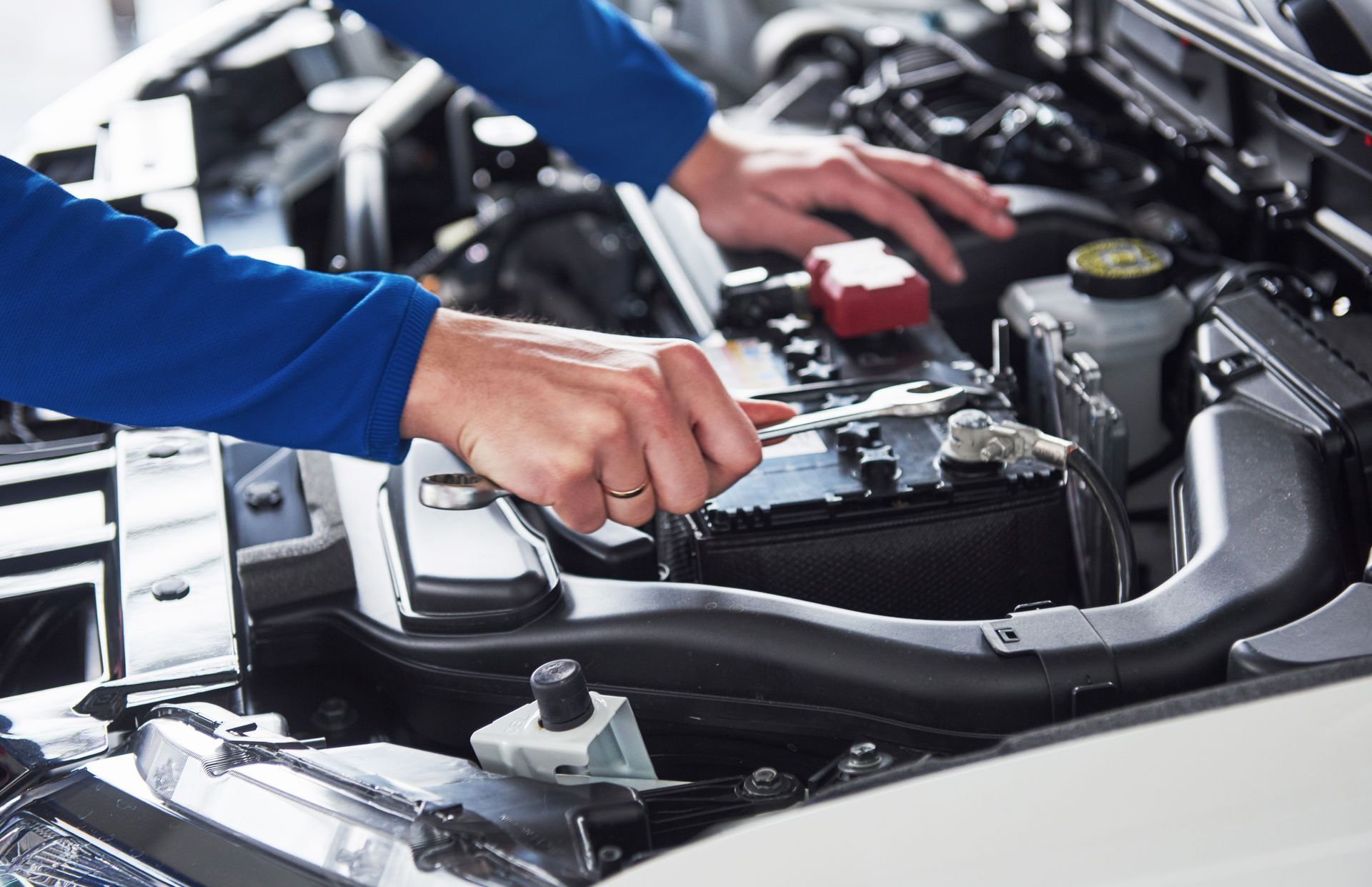
Battery testing can measure whether the battery still has enough power to perform reliably. Technicians can also inspect terminals, cables, charging system performance, and signs of corrosion. Extreme heat and cold can shorten battery life, so testing before seasonal weather changes is a smart precaution. Replacing a weak battery before it fails can prevent inconvenience and help protect related electrical components.
Replacing Filters Regularly
Filters help protect the engine and improve the comfort of the cabin. The engine air filter prevents dirt and debris from entering the engine, while the cabin air filter helps remove dust, pollen, and other particles from the air inside the vehicle. When filters become clogged, they can reduce airflow, affect performance, strain the system, or make the cabin less comfortable for passengers.
Filter replacement is often simple, but it can make a noticeable difference. A clean engine air filter can support smoother performance and better efficiency, while a clean cabin air filter can improve airflow through the heating and cooling system. Drivers who travel on dusty roads, sit in heavy traffic, or deal with seasonal allergens may need filter changes more often. Including filters in a maintenance checklist helps keep both the vehicle and passengers better protected.
Examining Belts and Hoses
Belts and hoses may not always be visible during daily driving, but they play an important role in vehicle operation. Belts help power key components, while hoses move coolant and other fluids throughout the system. Over time, these parts can crack, loosen, fray, or become brittle. If a belt snaps or a hose fails, the vehicle may overheat, lose power steering, or become unsafe to drive.
Regular inspections can identify wear before a breakdown occurs. Technicians can look for leaks, soft spots, swelling, cracking, glazing, or unusual noises. Replacing worn belts and hoses at the right time is usually far less stressful than dealing with a roadside failure. This type of preventive care is a practical part of auto repair because it helps drivers avoid sudden interruptions and more expensive damage.
Reviewing Lights and Visibility
Good visibility helps drivers stay safe in all conditions. Headlights, brake lights, turn signals, hazard lights, reverse lights, and interior lights should all work properly. Dim, burned-out, or cloudy lights can make it harder for drivers to see and harder for other drivers to notice the vehicle. Windshield wipers, washer fluid, mirrors, and glass condition also affect visibility.
Drivers should check lights and wipers regularly, especially before long trips or severe weather. Replacing wiper blades, cleaning lenses, restoring cloudy headlights, and repairing burned-out bulbs are small tasks that can improve safety significantly. If lighting issues continue after bulb replacement, there may be an electrical problem that requires professional attention. Visibility maintenance is simple, but it can make a major difference during nighttime driving or poor weather.
Watching Warning Lights
Dashboard warning lights are designed to alert drivers when the vehicle detects a problem. A check engine light, battery warning, brake warning, tire pressure light, or temperature warning should not be ignored. Some alerts may indicate minor issues, while others may point to serious problems that require immediate attention. Continuing to drive without understanding the warning can lead to more damage.
Modern diagnostic tools can help identify the cause of warning lights and guide the next steps. A technician can read trouble codes, inspect related systems, and explain whether the issue requires urgent service or scheduled maintenance. Diagnostic service is an important part of modern auto repair because today's vehicles rely on sensors and electronic controls to manage performance, emissions, and safety systems.
Maintaining a modern car requires more than changing the oil. Tires, brakes, fluids, batteries, filters, belts, hoses, lights, and warning systems all deserve regular attention. By following a complete maintenance checklist, drivers can improve safety, reduce the risk of breakdowns, and help their vehicles perform more reliably over time. Preventive care also makes it easier to catch small issues before they become expensive repairs. For professional maintenance, diagnostics, and dependable auto repair service, contact Dynotech Auto Repair.