August 18, 2026
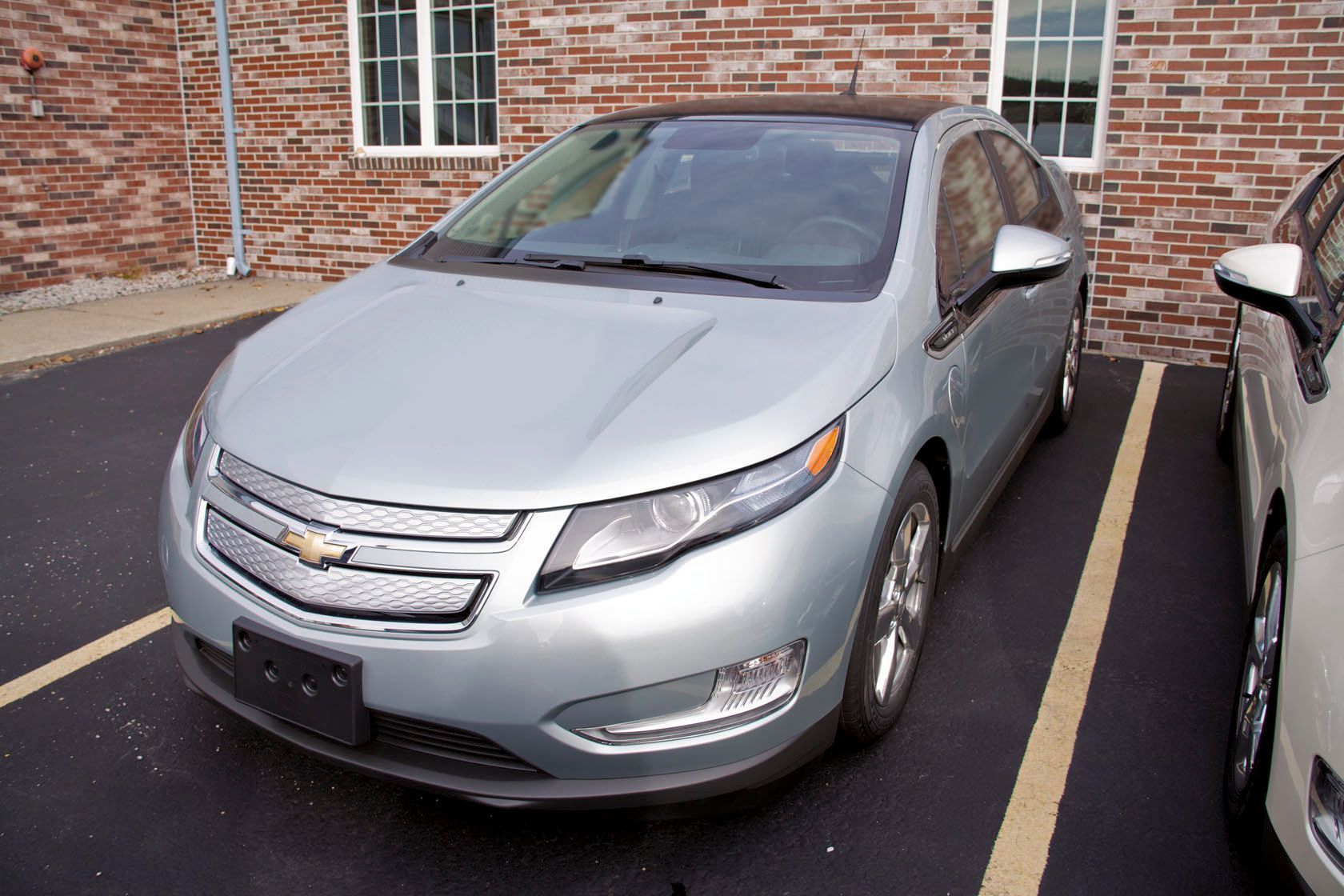
Hybrid vehicles have become a more common sight on roads across the country as drivers look for ways to reduce fuel consumption while maintaining the convenience of a gasoline-powered vehicle. Their combination of an internal combustion engine and electric motor creates a driving system that differs from a conventional car, which also changes the type of maintenance and repair these vehicles require. As more hybrid vehicles enter local communities, repair shops are increasingly seeing owners looking for hybrid auto repairs.
This growing demand is not simply about repairing a vehicle after a breakdown. Hybrid owners may need assistance with batteries, regenerative braking systems, electric motors, power inverters, cooling systems, and other components that conventional vehicles do not use in the same way. Understanding these needs can help drivers recognize why specialized service matters and why routine inspections can be valuable for maintaining dependable performance.
Hybrid Ownership Is Becoming More Common
Growing Interest in Efficient Transportation
Fuel economy is one of the primary reasons drivers choose hybrid vehicles. By combining gasoline and electric power, hybrids can reduce the amount of fuel required during certain driving conditions. Regenerative braking also allows the vehicle to recover some energy that would otherwise be lost during braking, helping support the electric side of the powertrain.
Plug-in hybrids provide another option for drivers who want to use electric power for shorter trips while retaining a gasoline engine for longer journeys. According to Car and Driver, a plug-in hybrid can travel up to 50 miles without producing tailpipe emissions when operating in electric-only mode. This capability can make plug-in hybrids appealing to drivers whose daily commutes or errands fall within an appropriate electric driving range.
As hybrid ownership increases, local repair shops encounter a wider variety of vehicles that require specialized knowledge. A technician who understands conventional engines and brakes may still need additional training and diagnostic capabilities to properly evaluate hybrid-specific systems. This is one reason hybrid auto repairs have become a more important part of comprehensive automotive service.
Different Driving Habits Create Different Service Needs
Hybrid vehicles may also experience different patterns of component wear based on how they are driven. Stop-and-go traffic, frequent short trips, extreme temperatures, and extended periods of inactivity can all affect vehicle systems in different ways. The gasoline engine may operate differently than it would in a conventional vehicle because the electric motor assists under certain conditions.
The braking system is another area where hybrid operation can differ. Regenerative braking helps slow the vehicle while recovering energy for the battery, while conventional friction brakes provide additional stopping power when necessary. Because these systems work together, technicians need to understand how regenerative and mechanical braking interact when diagnosing performance or wear concerns.
Routine service can help identify developing problems before they become more disruptive. Battery performance, cooling systems, electrical connections, brake components, and drivetrain operation can all affect how efficiently a hybrid performs. Professional hybrid auto repairs can address these systems while helping drivers understand which maintenance needs deserve attention.
Hybrid Systems Require Specialized Repair Knowledge
Battery and Electrical System Service
The hybrid battery is one of the most important components in the vehicle's electric power system. It stores and supplies energy that can assist the electric motor, support acceleration, and help the vehicle operate more efficiently. Over time, battery performance can change due to age, operating conditions, temperature, and other factors.
Battery-related problems may appear in several ways. Drivers could notice reduced fuel economy, weaker acceleration, unusual charging behavior, warning lights, or changes in how frequently the gasoline engine operates. These symptoms do not necessarily mean the battery needs immediate replacement, which is why accurate diagnostics are important before recommending a major repair.
Hybrid vehicles also contain components such as power inverters, electric motors, wiring, control modules, and battery cooling systems. A problem in one part can affect the operation of other systems. Technicians performing hybrid auto repairs need the appropriate diagnostic equipment and training to evaluate these components rather than relying only on conventional mechanical troubleshooting methods.
Cooling and Powertrain Components
Temperature management is particularly important for hybrid systems. Batteries and other electrical components operate within specific temperature ranges, so cooling system problems can affect performance and potentially contribute to premature component wear. A cooling system inspection may therefore involve more than checking the radiator, hoses, and engine coolant associated with a conventional vehicle.
A hybrid powertrain also combines electric and gasoline components in a way that requires technicians to consider the entire system. An electric motor problem may affect acceleration, while an issue involving the gasoline engine can influence overall efficiency and drivability. Transmission and drivetrain concerns can similarly require an understanding of how power is transferred through the hybrid system.
These differences explain why hybrid auto repairs often require a broader diagnostic process. Rather than focusing on one isolated mechanical component, a technician may need to evaluate battery operation, electrical systems, cooling performance, engine behavior, braking function, and drivetrain operation together. Thorough diagnostics can make it easier to identify the underlying cause instead of addressing only a symptom.
Preventive Maintenance Can Help Hybrid Owners Avoid Bigger Problems
Regular Inspections Support Long-Term Performance
Preventive maintenance is important for any vehicle, but hybrid owners have additional systems that deserve periodic attention. Regular inspections can provide an opportunity to identify warning signs before they develop into more serious performance problems. Depending on the vehicle and manufacturer recommendations, routine service may include evaluating battery performance, checking cooling systems, inspecting brakes, reviewing warning codes, and assessing overall drivability.
Professional diagnostic testing can be especially useful because some hybrid problems may not be immediately visible during a basic inspection. A vehicle may continue operating even when a component is beginning to deteriorate. Reviewing system data and fault codes can help technicians identify concerns that might otherwise go unnoticed until the vehicle develops more obvious symptoms.
Drivers can also benefit from having hybrid auto repairs explained clearly before work begins. Understanding whether a problem involves the battery, regenerative braking system, electric motor, power inverter, cooling system, or another component can help vehicle owners make informed decisions about maintenance. A qualified technician can explain the condition of the affected system and determine whether immediate service or continued monitoring is appropriate.
Choosing a Shop Equipped for Hybrid Service
Not every repair facility approaches hybrid vehicles in the same way. Because these vehicles combine electrical and mechanical systems, technicians should have the training and diagnostic equipment necessary to work safely and accurately on hybrid components. Experience with a wide range of hybrid makes and models can also help technicians recognize common symptoms and distinguish between similar problems.
A capable repair shop can address both routine maintenance and more complex concerns. Services may include hybrid battery diagnostics, regenerative brake repair, electric motor maintenance, power inverter troubleshooting, cooling system service, transmission and drivetrain repairs, engine performance work, and hybrid-specific software updates. Having access to these services can make it easier for drivers to handle their vehicle's maintenance needs in one place.
As hybrid ownership continues to expand, hybrid auto repairs will remain an increasingly relevant part of local automotive service. Drivers should not wait for a serious breakdown before seeking professional assistance. Warning lights, declining fuel economy, unusual braking behavior, reduced acceleration, and changes in battery performance can all justify an inspection.
The growing presence of hybrid vehicles is changing what many drivers need from their local auto repair shops. These vehicles offer a combination of gasoline and electric power that can provide efficiency benefits, but they also contain specialized components that require appropriate diagnostic knowledge and equipment. Batteries, regenerative braking systems, electric motors, power inverters, cooling systems, and hybrid control systems all play important roles in vehicle operation.
Need reliable service for your hybrid vehicle? Contact Dynotech Auto Repair today to schedule a professional inspection or repair.